Putting Your Home on Airbnb Is Not the Same as Simply Renting Out Your House
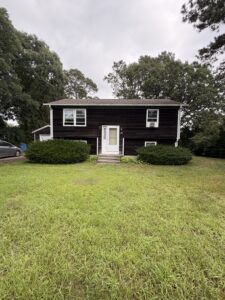
Recently, we met with two homeowners, one in Connecticut and the other in Massachusetts, who are interested in putting their homes on Airbnb while they travel during the winter months.
Both homeowners had essentially the same goal:
They wanted to leave soon, rent their homes while they were away, and generate income to help cover other financial obligations.
There is nothing wrong with that goal.
The problem was the timeline and the properties’ condition.
Both owners wanted their homes listed and accepting guests within approximately two weeks.
After walking through the properties, it was clear they both needed much more preparation.
And this is something prospective Airbnb hosts need to understand:
Wanting rental income does not automatically mean a property is ready to produce rental income.
A successful short-term rental requires preparation, investment, maintenance, realistic expectations, and an owner who is willing to treat the property like a hospitality business.
Guests Are Not Renting Your Potential
When homeowners live in a property every day, they naturally become accustomed to its quirks.
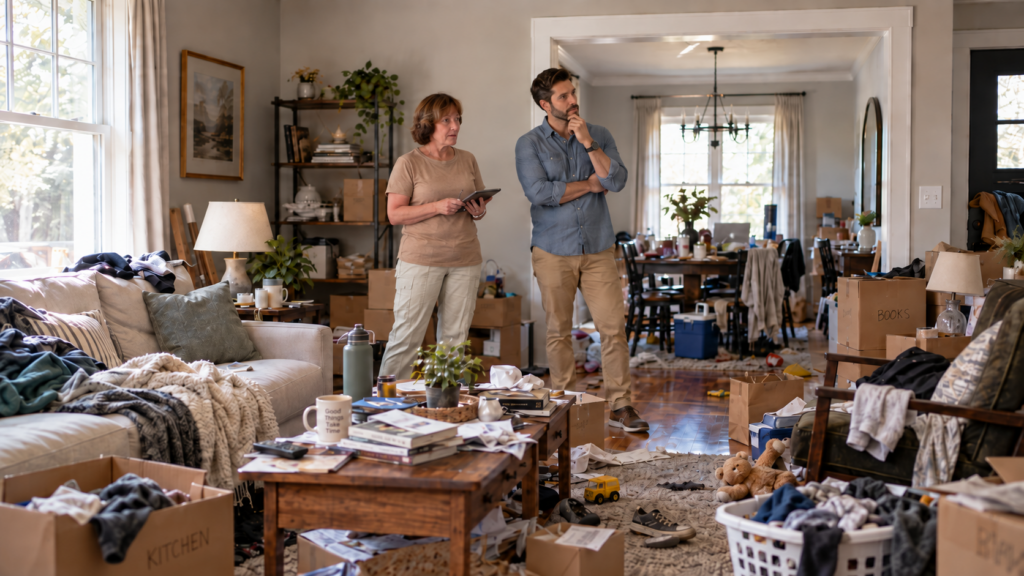
They may stop noticing damaged walls, unfinished projects, excessive belongings, old furniture, worn flooring, questionable lighting, cluttered rooms, or maintenance items that have been sitting on the to-do list for months.
A paying guest sees everything differently.
They walk through the door and immediately compare the home they received with:
- The photos they saw online
- The description they read
- The price they paid
- Other rentals they considered
- Their expectations based on previous Airbnb stays
That comparison begins almost immediately.
Guests aren’t renting the version of the house you plan to create someday.
They are reviewing the house that exists when they arrive.
And on Airbnb, accuracy and cleanliness are not simply nice ideas. Airbnb’s current ground rules specifically require hosts to accurately represent their properties and maintain a high standard of cleanliness. The company states that listing photos and descriptions should accurately represent the space guests will actually receive.
Old MLS Photos Are Not Airbnb Photos
One situation we encountered recently deserves special attention.
A homeowner had created an Airbnb listing using MLS photographs from before they purchased the house.
The photographs looked attractive.
There was just one problem.
Much of the furniture shown in those pictures was no longer in the home.
That is a serious problem.
A guest isn’t booking a memory of what the house looked like under the previous owner.
They are booking your current property.
The photographs should show guests exactly what they can reasonably expect when they walk through the front door.
Airbnb itself says accuracy is part of the guest rating system and specifically asks whether a property was represented with up-to-date photos and information.
Airbnb also states that photographs and descriptions should accurately represent the property being provided to guests. Misleading representations can violate its hosting rules.
That means:
Don’t use old MLS photos because the house looked better then.
Don’t photograph amenities that are no longer available.
Don’t photograph rooms with furnishings that guests won’t actually receive.
And don’t assume you’ll update the pictures later.
Prepare the property first.
Then photograph the property guests will actually stay in.
Your Airbnb Photos Are a Promise
I often tell property owners to think about Airbnb photography differently.
Your photographs aren’t merely marketing materials.
They are a promise.
When someone books your property, they’re essentially saying:
“I agree to pay this amount because I expect to receive the experience you’ve shown me.”
If the listing photographs show a beautifully furnished living room and the guest arrives to find mismatched or missing furniture, disappointment begins before they’ve even unpacked.
And disappointment often shows up later in reviews.
Airbnb encourages hosts to photograph a space when it is clean, uncluttered, and guest-ready, and advises hosts to show prospective guests what they can expect.
Interestingly, Airbnb also has a photo-verification process that may require hosts to take new photographs showing how the property currently looks so those images can be compared with the listing.
Accuracy matters.
“Okay” Isn’t Good Enough When Guests Are Paying
There is another mindset I encounter occasionally when evaluating potential short-term rentals:
“It’s fine.”
Fine for whom?
Fine for the homeowner?
Fine for someone staying free for a weekend?
Or fine for someone paying hundreds or thousands of dollars to stay there?
Those are very different standards.
When someone pays for accommodations, especially in today’s competitive vacation-rental market, they notice details.
They notice whether:
- Doors close properly.
- Faucets work correctly.
- Mattresses are comfortable.
- Furniture is clean and in good condition.
- Walls are patched and painted.
- Lighting is adequate.
- Bedding feels fresh and intentional.
- Kitchens are properly stocked.
- Bathrooms are spotless.
- Closets aren’t filled with the owner’s belongings.
- Outdoor areas are maintained.
- Appliances work.
- The property feels thoughtfully prepared.
None of this means every Airbnb needs to be luxurious.
It does mean it needs to feel clean, maintained, intentional, and worth what the guest paid.
There Is a Difference Between a Home and a Guest-Ready Home
A perfectly nice personal residence may still need significant work before it becomes a good Airbnb.
Preparing a property may involve:
Decluttering, removing personal possessions, repairing damaged surfaces, painting, replacing furniture, updating bedding, adding lamps, improving window coverings, repairing doors, addressing plumbing or electrical problems, purchasing kitchen essentials, installing smart locks, adding smoke and carbon monoxide detectors, improving outdoor areas, and creating appropriate storage for guests.
Then comes staging.
Then professional photography.
Then listing development.
Then pricing.
Then guest communication systems.
Then cleaning procedures.
Then emergency and maintenance protocols.
The Airbnb listing should be one of the final steps, not the first.
Two Weeks Is Sometimes Enough. Sometimes It Isn’t.
There are properties we can prepare relatively quickly.
A clean, well-maintained, nicely furnished home that simply needs staging, supplies, photography, and listing optimization may be able to launch within a short timeframe.
But an unfinished or heavily cluttered property is different.
Setting an arbitrary launch date before determining what work is required puts everyone in a difficult position.
It pressures contractors.
It pressures cleaners.
It pressures the property manager.
And ultimately it risks putting the first paying guests into a home that was never truly ready for them.
That is not how you build a successful Airbnb.
Sometimes the right professional advice is:
Don’t list it yet.
Take another few weeks.
Complete the repairs.
Remove the clutter.
Buy the right furnishings.
Stage it properly.
Photograph it accurately.
Then launch something you’re proud to put your name behind.
The First Reviews Matter
A rushed launch can also create a problem that is difficult to undo.
Your earliest guests begin establishing the property’s reputation.
Airbnb tells hosts that guest ratings evaluate categories including accuracy, cleanliness, check-in, communication, location, and value. Airbnb also notes that listings with stronger ratings and reviews tend to rank higher in search results.
That makes the first several reservations particularly important from a business standpoint.
Starting with:
“We’ll fix everything after we get some money coming in”
can become a very expensive strategy.
Because you may be trying to generate revenue from a property while simultaneously accumulating mediocre reviews.
It is much easier to protect a strong reputation than repair a damaged one.
Airbnb Should Not Be Treated Like an Emergency Fund
This may be the most important mindset shift.
If someone needs immediate money to cover another obligation, Airbnb can look like an appealing solution.
And yes, short-term and mid-term rentals can generate meaningful income.
But creating and operating them properly comes with costs.
Depending on the property, those may include:
- Furnishings
- Mattresses and bedding
- Towels and linens
- Repairs
- Paint
- Maintenance
- Professional cleaning
- Photography
- Smart locks
- Safety equipment
- Kitchen supplies
- Guest amenities
- Landscaping
- Utilities
- Internet
- Replacement items
- Emergency repairs
Owners also need reserves.
Because eventually something will break.
The water heater won’t care whether you’ve already spent this month’s rental income.
Neither will the refrigerator, HVAC system, plumbing, or roof.
A property owner who needs every dollar of incoming revenue immediately may find it extremely difficult to operate a hospitality property properly.
The Property Owners I Want to Work With
At Short Term Stay Pros, I don’t want to simply collect properties.
I want to manage properties that have a realistic opportunity to succeed.
That means partnering with owners who understand that professional Airbnb management is a collaboration.
The best owner relationships are with people who are willing to:
Maintain the property.
Repairs can’t be continually postponed because someone doesn’t want to spend money.
Invest where investment is needed.
Not everything needs to be expensive, but guests should receive a comfortable, functional, and thoughtfully furnished property.
Listen to professional recommendations.
If something is likely to create guest complaints, I’d rather address it before the complaints arrive.
Allow adequate preparation time.
Sometimes two weeks is enough. Sometimes six weeks is more appropriate. The property’s condition determines the timeline.
Keep accurate photographs and descriptions.
What guests see online should closely match what they receive.
Understand that guest experience affects revenue.
Maintenance, cleanliness, presentation, and communication aren’t expenses unrelated to income. They’re part of what produces it.
Think long term.
The goal shouldn’t simply be booking next weekend. The goal should be creating a property capable of generating excellent reviews and sustainable revenue month after month.
A Property Manager Cannot Care More Than the Owner
This is something every property owner considering professional management should understand.
A co-host or property manager can recommend improvements.
We can coordinate cleaners.
We can schedule photographers.
We can optimize listings.
We can communicate with guests.
We can adjust pricing.
We can coordinate repairs and troubleshoot problems.
But ultimately, the owner owns the asset.
If the owner consistently refuses necessary maintenance or improvements, eventually the guest experience suffers.
And I won’t recommend putting guests into a home that I don’t believe is ready simply because an owner wants revenue quickly.
My reputation is attached to these properties too.
Five-Star Hosting Starts Before the First Guest Arrives
Getting a five-star review doesn’t begin at checkout.
It begins weeks earlier.
It begins when an owner decides:
“I’m going to prepare this property properly.”
It continues through repairs, cleaning, furnishing, staging, photography, pricing, and listing creation.
By the time the guest arrives, much of the work determining that review has already happened.
That is the mindset successful Airbnb owners understand.
Don’t rush to get your property online.
Prepare it so well that when it goes online, guests want to book it.
Then make sure the experience they receive is exactly what you promised.
Because in professional short-term rental management, “good enough” isn’t the standard we’re trying to achieve.
Five stars is.
Thinking About Turning Your Connecticut or Rhode Island Property Into a Short-Term or Mid-Term Rental?
Short Term Stay Pros works with property owners throughout Connecticut and Rhode Island who want professional guidance preparing, launching, and managing short-term and mid-term rentals.
We can evaluate the property, identify what should be completed before launch, help coordinate preparation and develop a listing strategy designed around long-term guest satisfaction rather than simply getting a property online as quickly as possible.
But we’re also selective about the properties we manage.
We want to work with owners who are committed to maintaining their homes, investing appropriately in the guest experience, and building a rental property capable of earning strong reviews.
If you’re considering Airbnb, Vrbo, or a mid-term rental, start with a property evaluation before you set the launch date.
That one decision can save you a lot of problems later.