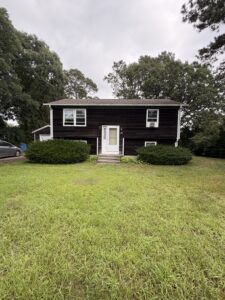

Hospitals throughout Connecticut and Rhode Island regularly bring in travel nurses and other temporary healthcare professionals to cover staffing shortages, employee leaves, seasonal demand, specialized positions, and unexpected increases in patient volume.
Every traveling medical professional needs somewhere safe, comfortable, and reasonably close to work.
For homeowners and property owners near a hospital, medical center, rehabilitation facility, nursing home, or healthcare campus, this creates a rental opportunity that is often overlooked.
A furnished home, apartment, accessory dwelling unit, guest suite, or even a private room may be suitable for travel nurse housing. When managed properly, these rentals can provide consistent monthly income without operating exactly like a traditional year-long rental or a high-turnover vacation rental.
Why Hospitals Hire Travel Nurses
Hospitals generally prefer to maintain a stable team of permanent employees. However, healthcare staffing needs can change quickly.
Travel nurses and temporary medical professionals may be hired to:
- Cover maternity, medical, or family leave
- Fill vacancies while permanent employees are recruited
- Support hospitals during flu and respiratory illness season
- Staff specialized departments such as intensive care, emergency medicine, labor and delivery, and operating rooms
- Respond to seasonal population increases
- Prevent hospitals from closing beds or reducing patient services
Connecticut hospitals continue to face capacity and staffing pressures. Recent reporting has identified staffing shortages as one of the challenges affecting hospital operations and patient care in the state.
Travel nursing has changed since the height of the pandemic, but it has not disappeared. Hospitals still use travelers to cover leaves, address seasonal demand, and fill difficult-to-staff positions.
That means there continues to be a need for flexible housing near healthcare facilities.
What Is Travel Nurse Housing?
Travel nurse housing is generally furnished accommodation offered to nurses and other medical professionals completing temporary work assignments away from their primary homes.
These renters may include:
- Registered nurses
- Licensed practical nurses
- Certified nursing assistants
- Physical and occupational therapists
- Radiology and ultrasound technicians
- Respiratory therapists
- Surgical technicians
- Medical residents and visiting physicians
- Healthcare consultants
- Clinical researchers
- Home healthcare professionals
- Professionals relocating for permanent healthcare positions
Many assignments last approximately several weeks to several months. However, contract lengths vary, and some professionals extend their assignments when the hospital continues to need them.
This rental category is commonly called a mid-term rental because it falls between a short vacation stay and a traditional 12-month lease.
Why Properties Near Hospitals Have an Advantage
After working a 10- or 12-hour hospital shift, most healthcare professionals do not want a long or complicated commute.
Properties close to major roads and healthcare facilities may be especially attractive when they provide:
- A manageable commute
- Reliable parking
- A safe residential setting
- Easy access during overnight hours
- Proximity to grocery stores, pharmacies, restaurants, and laundry facilities
- Convenient highway access
- A quiet environment for daytime sleeping
Do not assume your property must be directly across the street from a hospital. Depending on local traffic and parking conditions, a clean, well-equipped property within a reasonable driving distance may still be competitive.
When marketing the rental, provide an honest estimate of the distance and typical commute. Do not describe a property as “minutes from the hospital” unless that is accurate under normal driving conditions.
Why Travel Nurse Rentals Can Appeal to Property Owners
Longer Stays and Fewer Turnovers
Vacation rentals may require cleaning, laundry, guest communication, and inspections every few days.
Medical professionals typically need housing for a longer period. That can mean fewer turnovers and less frequent vacancy preparation.
Longer stays do not eliminate management responsibilities, but they can reduce some of the operational demands associated with nightly rentals.
Furnished Rental Rates
A furnished monthly rental may command more rent than an unfurnished annual rental because the owner is providing furniture, utilities, household essentials, and greater lease flexibility.
However, owners should not assume that every furnished property near a hospital will earn a premium. Pricing must reflect:
- Location
- Property type
- Privacy
- Condition
- Included utilities
- Parking
- Amenities
- Current competition
- Seasonal demand
- The traveler’s available housing budget
An overpriced rental may remain vacant even in a strong healthcare market.
A Broader Pool of Potential Renters
A property marketed for travel nurses does not have to be limited exclusively to nurses.
It may also attract:
- Corporate travelers
- Insurance-displacement tenants
- Relocating professionals
- Visiting professors
- Graduate students
- Military contractors
- Temporary project workers
- Families between homes
Platforms serving this market increasingly describe their customers as traveling professionals rather than only travel nurses. Furnished Finder, for example, markets housing to nurses, remote workers, relocating families, and other people seeking flexible monthly accommodations.
Diversifying the renter audience can help reduce reliance on one employment sector.
What Travel Nurses Look for in a Furnished Rental
Medical professionals usually prioritize function, cleanliness, safety, and convenience over elaborate décor.
A Comfortable Bed
A high-quality mattress is one of the most important investments in the property. Healthcare professionals often work long shifts and need a comfortable, quiet place to sleep.
Provide:
- A supportive mattress
- Mattress and pillow protectors
- Clean bedding
- Extra blankets
- Room-darkening curtains or shades
Blackout curtains are especially valuable for nurses working overnight shifts who sleep during the day.
Reliable High-Speed Internet
Reliable Wi-Fi is essential. Renters may use it for entertainment, video calls, continuing education, telehealth work, online scheduling, and communication with family.
“Wi-Fi included” is not enough when the connection is slow or unreliable. Test the service throughout the rental before advertising it.
A Functional Kitchen
Most travelers staying for several months do not want to rely on restaurant meals.
A successful furnished rental should provide enough equipment to prepare normal meals, including:
- Refrigerator and freezer
- Stove or cooktop
- Microwave
- Coffee maker
- Pots and pans
- Dishes and glassware
- Cooking utensils
- Food-storage containers
- Basic cleaning supplies
A kitchenette may work for a private room or compact studio, but it can limit the renter pool. Be transparent about exactly what is provided.
Laundry Access
Healthcare workers need dependable access to laundry facilities for uniforms, bedding, and everyday clothing.
In-unit laundry is ideal. Shared laundry may still be acceptable when access is convenient, the rules are clear, and the machines are properly maintained.
Safe and Predictable Parking
Traveling professionals frequently arrive and leave during early-morning or overnight hours.
Clearly explain:
- Where the renter should park
- Whether the space is assigned
- Whether snow removal is included
- Whether street parking restrictions apply
- Whether the parking area is well-lit
- Whether large vehicles can be accommodated
Parking confusion can quickly lead to a poor rental experience.
A Quiet Environment
Noise is a serious concern for healthcare professionals, especially those working night shifts.
Be upfront about:
- Shared walls
- Children or pets in the home
- Nearby traffic
- Construction
- Other tenants
- Quiet hours
- Shared common areas
Do not market a busy or noisy property as a peaceful retreat. Accurate expectations lead to better renter relationships and better reviews.
Pet-Friendly Options
Many traveling professionals bring a dog or cat because assignments may last several months.
Allowing pets may increase demand, but owners need clear policies addressing:
- Pet approval
- Number and type of animals
- Vaccination requirements
- Pet deposits or fees where legally permitted
- Waste removal
- Furniture protection
- Yard use
- Responsibility for damage
Property owners should also understand the legal distinction between pets, service animals, and assistance animals.
What Types of Properties Can Work?
Travel nurse housing is not limited to luxury apartments.
Potential options include:
- Furnished single-family homes
- Condominiums
- One- or two-bedroom apartments
- In-law apartments
- Accessory dwelling units
- Guest cottages
- Finished basement apartments
- Private suites with separate entrances
- Furnished bedrooms in co-living homes
- Owner-occupied homes with private guest areas
Privacy generally increases the appeal and rental value of a property. However, a clean and professionally managed private room can still be an affordable option for an individual traveler.
Shared housing should have clearly defined private and common areas, bathroom arrangements, kitchen access, laundry rules, parking assignments, and quiet hours.
How Are Travel Nurse Rentals Different From Vacation Rentals?
Travel nurse housing should not simply be treated as an extended Airbnb reservation.
Depending on the length and structure of the stay, different state and local landlord-tenant rules may apply. Furnished Finder notes that many 30-day-or-longer transactions are treated as residential housing and may be subject to federal, state, and local fair-housing and landlord-tenant laws.
Property owners should carefully evaluate:
- Local zoning requirements
- Rental registration rules
- Minimum-stay restrictions
- Lease requirements
- Security-deposit limits
- Lead-paint requirements
- Smoke and carbon-monoxide detector laws
- Insurance coverage
- Tax treatment
- Eviction and termination procedures
- Fair-housing obligations
A platform listing does not replace a legally appropriate rental agreement.
Owners should speak with a qualified attorney, accountant, insurance professional, or local housing authority when they are uncertain about the rules affecting their property.
Screen Every Prospective Renter Consistently
Medical employment does not eliminate the need for screening.
A professional screening process may include:
- Identity verification
- Employment or assignment documentation
- Income verification
- Rental history
- Background screening
- Credit screening where appropriate
- References
- Signed rental agreement
- Security deposit where legally permitted
Furnished Finder allows landlords to establish screening requirements and offers access to tenant screening through a third-party provider. It also advises owners to explain requirements clearly and apply them consistently.
Avoid discriminatory language such as “female nurses only” or preferences based on protected characteristics. Fair-housing laws may apply even when you are renting a room or offering a short fixed-term agreement. The precise exemptions and requirements depend on the property and jurisdiction.
Where Can Owners Advertise Travel Nurse Housing?
Furnished Finder
Furnished Finder is one of the best-known housing platforms serving travel nurses and other traveling professionals. Travelers can search available properties or submit housing requests describing their destination, dates, and housing needs.
Owners should understand that the platform facilitates connections, but landlords and tenants are generally responsible for communicating, screening, signing agreements, and completing the transaction.
Airbnb and Vrbo
Airbnb and Vrbo may also generate monthly reservations, depending on local regulations and platform settings.
Owners should review:
- Cancellation policies
- Platform fees
- Payment schedules
- Occupancy-tax treatment
- Length-of-stay rules
- Tenant-right implications
- Insurance limitations
A reservation lasting several months can carry different risks than a weekend booking.
Direct Marketing
Property owners can also market directly through:
- A professionally optimized property website
- Google Business Profile
- Local healthcare staffing agencies
- Hospital relocation departments
- Social media
- Local housing groups
- Professional referral networks
- Search-engine-optimized rental listings
Never imply that a hospital officially recommends or partners with your property unless you have written authorization to make that claim.
How to Optimize Your Listing for Travel Nurses
A strong listing should immediately answer the questions a traveling healthcare professional is likely to ask.
Include:
- Monthly rent
- Minimum and maximum stay
- Availability dates
- Deposit requirements
- Utilities included
- Internet details
- Parking arrangements
- Laundry access
- Pet policy
- Bedroom and bathroom configuration
- Distance to nearby hospitals
- Typical commute
- Public-transportation options
- Furnishings and kitchen equipment
- Application and screening process
Use natural phrases that travelers may search for, such as:
- Furnished rental near the hospital
- Travel nurse housing in Connecticut
- Monthly furnished apartment in Rhode Island
- Medical professional housing
- Short-term housing near a medical center
- Furnished room for traveling healthcare professionals
- Mid-term rental near the hospital
Avoid stuffing the listing with repetitive keywords. Search optimization should make the property easier to understand, not harder to read.
Take Professional Photos
Poor photography can make a clean, comfortable rental appear dark, cramped, or poorly maintained.
Your listing should show:
- Every bedroom
- Every bathroom
- Kitchen and dining areas
- Living space
- Laundry facilities
- Workspace
- Private entrance
- Parking area
- Outdoor areas available to the renter
- Storage and closet space
Use current photos. Do not hide damage, unfinished areas, shared spaces, or property limitations.
Traveling professionals may be arranging housing from another state and cannot always tour the property first. Accurate photos and descriptions are essential for building trust.
Set Realistic Expectations About Income
Travel nurse housing can be profitable, but it is not guaranteed passive income.
Demand may fluctuate based on:
- Hospital contracts
- Staffing-agency budgets
- Seasonal healthcare needs
- Available local housing
- Property pricing
- Assignment cancellations
- Competition from hotels and extended-stay properties
- Changes in hospital hiring practices
Owners should calculate the complete cost of operating the rental, including:
- Mortgage or rent
- Utilities
- Internet
- Furnishings
- Linens and household supplies
- Cleaning
- Maintenance
- Insurance
- Taxes
- Platform or marketing fees
- Property management
- Vacancy
- Repairs and replacement costs
Do not purchase or furnish a property based solely on an assumption that a travel nurse will always be available to rent it.
Research the market first and create a backup strategy for other qualified monthly renters.
Why Professional Property Management Matters
A furnished monthly rental requires more than placing furniture in a room and publishing an online listing.
The property must be properly positioned, priced, photographed, marketed, screened, maintained, and managed.
Professional management may include:
- Evaluating whether the property is suitable
- Recommending furnishings and amenities
- Creating optimized listings
- Coordinating professional photography
- Responding to inquiries
- Screening applicants
- Preparing the property for arrival
- Managing cleaning and inspections
- Coordinating maintenance
- Communicating with tenants
- Monitoring pricing and demand
- Marketing across multiple channels
This can be particularly valuable for owners who do not live near the property or do not have time to manage inquiries and turnovers themselves.
Your Property Could Help Solve a Real Housing Need
Travel nurses and other medical professionals provide essential services to local hospitals and healthcare facilities. When they accept a temporary assignment, securing appropriate housing can be one of their greatest challenges.
A well-managed furnished property near a hospital can provide these professionals with the stability and comfort they need while also creating an additional income opportunity for the owner.
The strongest opportunities are not created by simply charging a premium because the property is furnished. They are created by offering a clean, safe, accurately represented, thoughtfully equipped home at a competitive price.
Find Out Whether Your Property Is a Good Fit
Short Term Stay Pros helps homeowners and property owners evaluate, prepare, market, and manage furnished rentals throughout Eastern Connecticut and Rhode Island.
Whether you have an entire home, apartment, guest suite, cottage, or private furnished room, we can help you determine:
- Whether there is likely to be demand in your location
- Which rental strategy makes sense
- What furnishings and improvements are needed
- How the property should be priced and marketed
- Which platforms may reach the right renters
- How to manage screening, communication, cleaning, and ongoing operations
Own property near a hospital or healthcare facility? Contact Short Term Stay Pros to discuss its potential as furnished housing for travel nurses and other traveling professionals.
This article provides general educational information and is not legal, tax, insurance, or financial advice. Property owners should verify all state, municipal, zoning, licensing, lease, insurance, tax, and fair-housing requirements applicable to their property